Blog
ASCI Community Changemaker Spotlight: CNAY
Beyond Visibility: Elevating Native Youth Voices and Leadership
How the Center for Native American Youth is strengthening cultural identity, advancing youth leadership and empowering Native young people to transform their communities.
For Native youth, culture is central to their sense of identity, belonging and connection. It shapes who they are, where they come from and how they envision their futures. Yet across communities and institutions, Native young people have not always had the opportunities, resources or influence needed to shape the decisions affecting their lives.
The Center for Native American Youth (CNAY) is working to change that reality by ensuring Native young people are not only represented in conversations about their futures, but also empowered to lead them.
Founded in 2011, CNAY is an initiative of the Aspen Institute and a national education and advocacy organization dedicated to improving the health, safety and well-being of Native youth ages 24 and younger. Through leadership fellowships, community-based initiatives, research and policy advocacy, the organization helps young people recognize the power they already possess to create meaningful change.
For Katy Stewart, CNAY’s senior program manager of youth programs, the organization’s approach reflects an important shift in how adults and institutions engage with young people.

executive director of CNAY.
(Photo courtesy of CNAY)
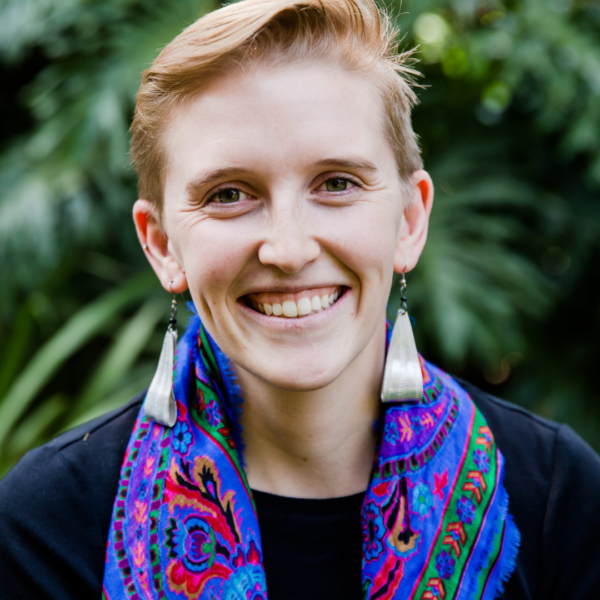
During a recent conversation with ASCI, Stewart explained that CNAY’s early work focused heavily on listening to Native youth and bringing their concerns to policymakers. Over time, however, the organization recognized that young people were already leading within their communities. What they needed were opportunities, resources and platforms to advocate for themselves.
“It became really apparent that the Native youth we were talking to, they’re already leaders in their own communities, and they want to be the ones who share their perspectives and their voices,” Stewart shared.
Today, that philosophy remains central to CNAY’s mission.
“Youth have everything they need to lead, they just need the resources, agency and belief to do so. That is what we provide at CNAY,” said Tracy L. Canard Goodluck, a member of the Oneida Nation of Wisconsin who is also Mvskoke Creek and serves as CNAY’s executive director.
Rooted in Culture, Empowered to Lead
At CNAY, youth leadership begins with recognizing the strengths, knowledge and traditions that already exist within Native communities.
Through its Democracy Is Indigenous initiative, CNAY provides microgrants ranging from $500 to $5,000 to help Native youth develop solutions to issues affecting their communities. Rather than prescribing what change should look like, the organization gives young people the opportunity to identify their own priorities and bring their ideas to life.
Stewart shared examples of youth-led projects ranging from workshops preserving Indigenous food knowledge and Native seeds to cultural gatherings that bring young people and families together through traditional crafts, music and community connection.
In Philadelphia, one young advocate developed a public transit awareness campaign addressing the crisis of Missing and Murdered Indigenous Women (MMIW). With CNAY’s support, her message reached public transportation audiences throughout the region.
While CNAY’s initiatives vary in focus, each is rooted in empowering young people to identify what matters most to their communities and providing them with the resources and support to take action.
“As an Indigenous-led organization, our work is always centered on the collective power of community,” Goodluck explained in remarks shared with the National Kinship Review.
“Locally-rooted solutions to locally-rooted problems are essential and we work with youth to lean on the strength, support and knowledge of their communities.”
— Tracy L. Canard Goodluck, CNAY executive director
For CNAY, cultural identity, intergenerational relationships and community knowledge are not separate from leadership development. They are essential to it.
Turning Youth Voices Into Meaningful Change
Beyond supporting community-based initiatives, CNAY is helping Native youth develop the skills, relationships and opportunities needed to influence policies and systems.
Its approach emphasizes that young people should not only be invited to share their experiences but also have meaningful opportunities to shape the solutions that emerge from them.
This commitment extends across CNAY’s leadership development and advocacy work, including its Building Communities of Hope fellowship, which supports Native young people with lived experience in the child welfare system.
Through the fellowship, participants receive leadership development, advocacy training and opportunities to influence policies affecting their lives. They build skills in public speaking, communication and policy engagement while strengthening their connections to culture, community and identity.
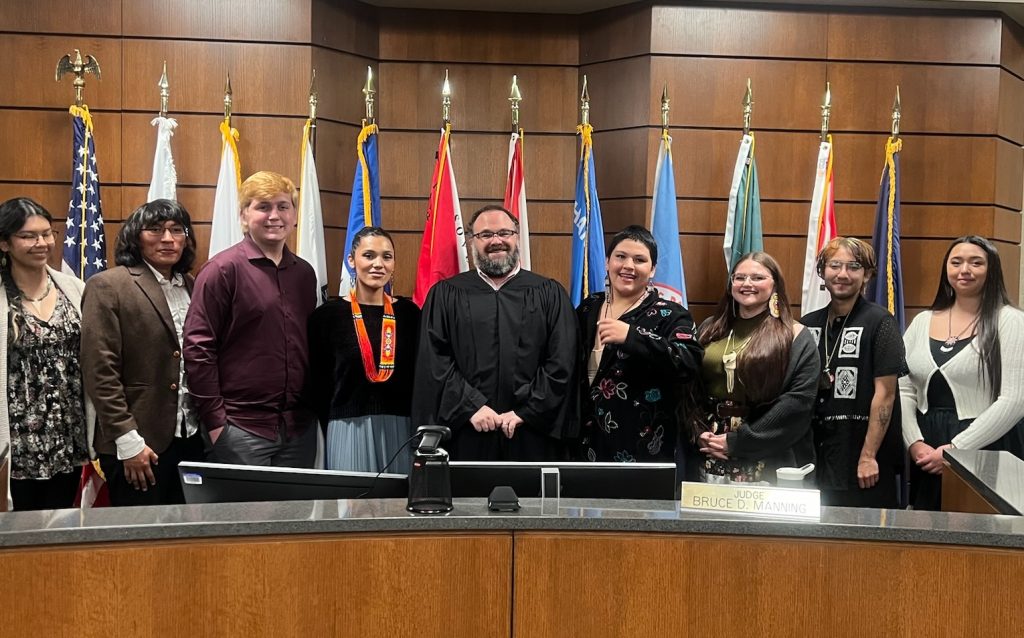
The fellowship also reinforces CNAY’s guiding principle that young people are experts in their own experiences and that their perspectives are essential to creating meaningful change.
For Native youth involved in the child welfare system, that principle carries particular significance. Cultural identity, family relationships and community connections are not simply sources of support. They are fundamental to a young person’s sense of belonging and well-being.
To better understand these experiences, CNAY launched a national survey inviting current and former Native foster youth to share their perspectives. The survey and its preliminary findings were also highlighted in an August 2025 article published by The Imprint.
Preliminary findings shared by Stewart, based on approximately 100 survey responses collected at the time, revealed that 65% of respondents had been asked by a child welfare professional about their experiences in foster care. However, only 53% reported being asked specifically about their experiences as Native youth in foster care.
This distinction matters.
Native young people may have experiences and needs shaped by tribal citizenship, cultural traditions, language, spirituality, family relationships and community ties. When professionals overlook those dimensions, they risk overlooking essential parts of a young person’s identity.
“What’s important to note is that because of the Indian Child Welfare Act (ICWA), Native youth have different rights than other youth. And yet, they’re not consistently asked about their experiences as Native youth,” Stewart explained.
“We know that ceremonially and culturally, Native youth have different needs, and we need to ensure that professionals are providing them with the tools they need to thrive, which include, in many ways, access to cultural practices.”
— Katy Stewart, CNAY senior program manager of youth programs
The survey revealed four recurring messages that Native youth wanted adults and child welfare professionals to understand:
- Culture matters. Maintaining connections to traditions, language, family and community is closely tied to well-being and healing.
- Every young person is an individual. Youth want to be understood as people with distinct identities, experiences and needs, not simply as cases or statistics.
- Historical trauma cannot be ignored. The lasting impacts of colonization, boarding schools, forced adoptions and family separation continue to shape Native communities.
- Youth must be included in decisions. Young people want meaningful opportunities to influence the policies, services and systems affecting their lives.
These findings offer important lessons for the child welfare field, particularly around preserving family relationships, strengthening cultural connections and recognizing the unique experiences of Native youth.
They also underscore the importance of ICWA, the federal law enacted in 1978 to address the disproportionate removal of Native children from their families and communities and establish protections for eligible children and their tribes.
Stewart emphasized that understanding ICWA is only part of the responsibility. Child welfare professionals must also ensure Native youth understand their rights and have opportunities to participate meaningfully in decisions affecting their lives.
The implications extend beyond child welfare. Across education, public policy and community development, CNAY’s work challenges institutions to consider whether they are simply making space for Native youth to speak or ensuring their perspectives can influence decisions and outcomes.
From Lived Experience to Lasting Change
For Roxy Sprowl, a citizen of the Red Cliff Band of Lake Superior Chippewa Indians, the connection between culture, identity and advocacy is deeply personal.
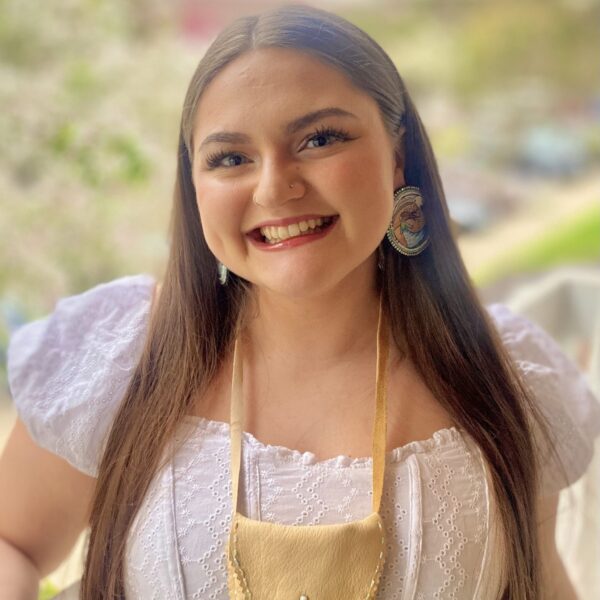
Sprowl spent 13 years in foster care. She later became a participant in CNAY’s Building Communities of Hope fellowship, where she found opportunities to strengthen her cultural connections and develop her voice as an advocate.
Through her involvement with CNAY, Sprowl also found opportunities to reconnect with her birth family and strengthen her cultural identity, Stewart shared.
Today, Sprowl continues to support CNAY as a consultant, helping develop culturally responsive advocacy training for other Native youth with foster care experience. She also serves on the board of the National Indian Child Welfare Association (NICWA), bringing her lived experience into broader policy and advocacy conversations.
Reflecting on her journey, Sprowl shared:
“Getting involved with CNAY drastically changed my life. CNAY gave me the mentorship, tools, friendships, family connections, cultural empowerment, sense of belonging, and light that taught me my life, passions, culture, identity, leadership, and goals are all needed in the world.”
Her experience illustrates the lasting impact of investing in young people’s leadership, affirming their identities and providing opportunities to turn personal experiences into meaningful advocacy.
It also reflects a central belief behind CNAY’s work: Native youth do not need to wait until adulthood to become leaders. With the right support and opportunities, they can influence their communities and the systems around them today.
Building a Future Grounded in Indigenous Leadership
As CNAY approaches its 15th anniversary, its work continues to evolve, expanding opportunities for Native youth to strengthen their leadership, advocate for their communities and influence policies that shape their futures.
The organization is developing advocacy training resources designed to help Native youth with foster care experience understand their rights, strengthen their leadership skills and engage more effectively with child welfare decision-makers.
Stewart also highlighted CNAY’s work in legislation addressing the needs of Native children and families, including efforts to strengthen cultural identity, community connections and well-being.
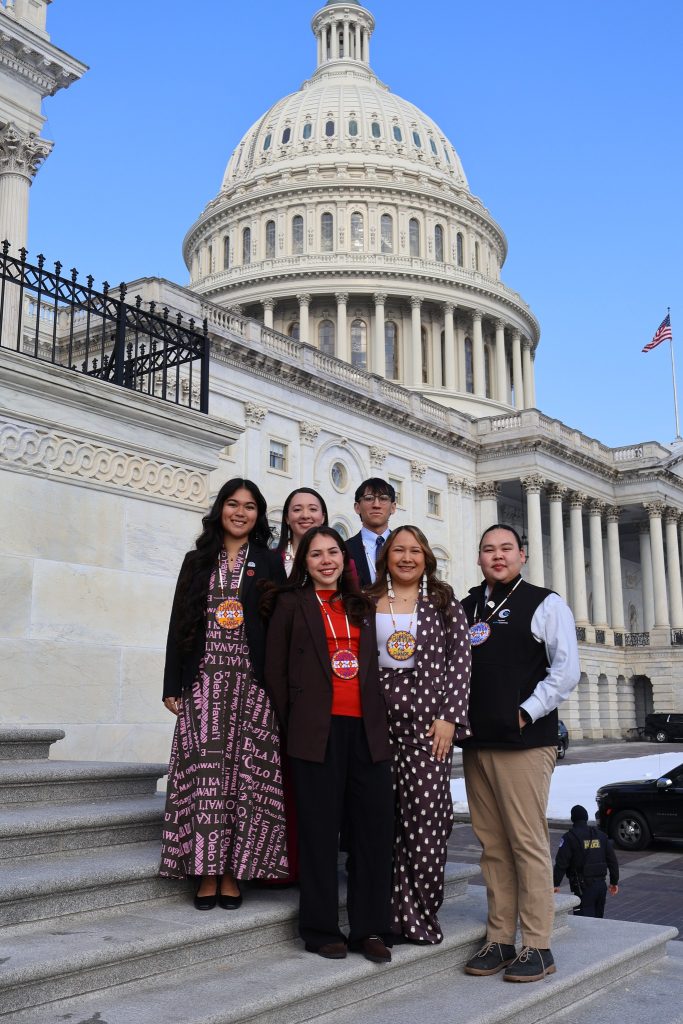
These efforts are part of a broader commitment to ensuring Native youth have the knowledge, resources and relationships to participate in decisions that affect their communities.
Under Goodluck’s leadership, CNAY continues to emphasize tribal sovereignty, self-determination and the importance of bringing Native youth directly into policy conversations.
“We connect fellows with Tribal leaders, Elders, policymakers, educators, and national partners while creating opportunities to lead policy campaigns, engage decision-makers, and develop community-driven solutions,” Goodluck shared.
That approach is grounded in an intergenerational understanding of leadership.
“As a Haudenosaunee and Mvskoke woman, my leadership is rooted in my responsibility to Indigenous communities and to the next seven generations,” Goodluck said. “These values are reflected in our work at CNAY.”
For organizations serving children, youth and families, CNAY’s work offers a valuable perspective on what meaningful engagement can look like. Supporting young people requires more than recognizing their experiences or inviting them into conversations. It requires investing in their leadership, respecting their cultural identities and creating pathways for them to influence the decisions that shape their lives.
For the child welfare field, that responsibility includes protecting cultural connections, respecting tribal sovereignty and recognizing the expertise of young people with lived experience.
But CNAY’s message extends beyond any one system or sector.
Native youth are not simply the next generation of changemakers. They are already leading.
And when their identities are affirmed, their communities are supported and their leadership is embraced, their ability to create lasting change extends far beyond themselves.
From ASCI
At A Second Chance, Inc., we recognize that meaningful change begins by listening to those most impacted by the systems intended to support them. CNAY’s work reinforces the importance of centering young people’s experiences, honoring their cultural identities and ensuring they have a meaningful role in shaping decisions about their futures.
Learn more: Visit www.cnay.org to explore CNAY’s youth leadership programs, research and advocacy initiatives.
Newsletter Signup
Stay on top of ASCI news and events by signing up for our newsletter!