Blog
The Power of Mentorship: Building Hope, Belonging, and Opportunity
For children and youth in kinship care and justice-impacted families, stability can feel fragile and the future uncertain. At A Second Chance, Inc., we know that strong, consistent relationships can make all the difference. This belief is embedded across our mentoring-driven programs such as CARES, Boys II Men, Kinspire, and more, where relationship-building is central to how we support children, caregivers, and families navigating complex systems. That belief is shared by our partners at Amachi Pittsburgh, whose flagship mentoring model centers connection, dignity, and long-term support for youth navigating through transition.
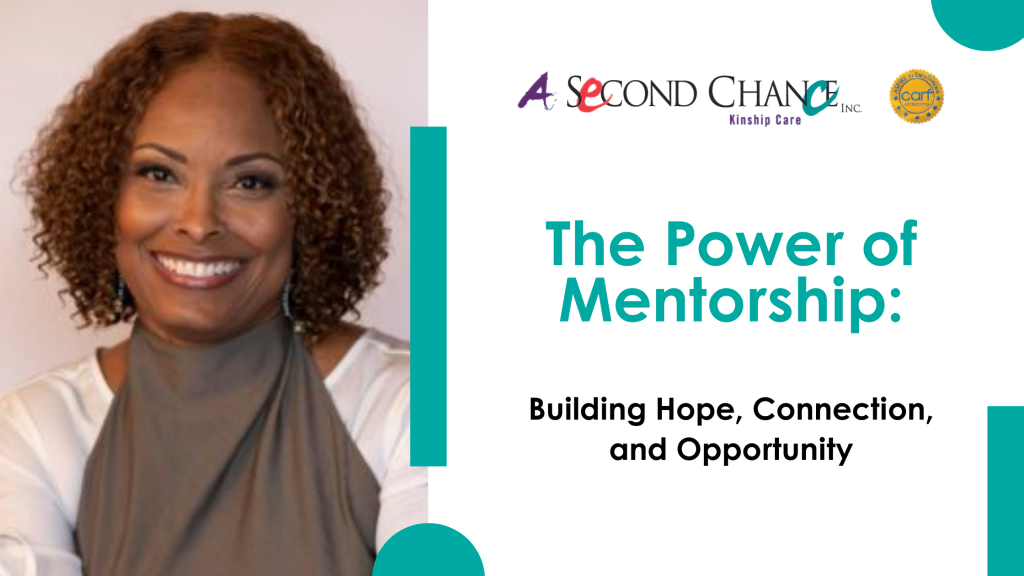
We recently spoke with Anna Hollis Kander, Executive Director of Amachi Pittsburgh, to learn more about how mentorship helps young people heal, grow, and envision brighter futures.
Mentoring reinforces a sense that a child matters. It really says to a kid, ‘You matter.’
Anna Hollis Kander
A Mission Rooted in Value and Community
Amachi Pittsburgh’s mission is to empower, nurture, and protect youth and families most vulnerable to the criminal justice system. While the organization offers a holistic range of services such as family strengthening, leadership development, and skills training, mentorship remains its core strategy. This mirrors ASCI’s mission to strengthen families by ensuring children are surrounded by consistent, caring adults who help children grow in confidence.
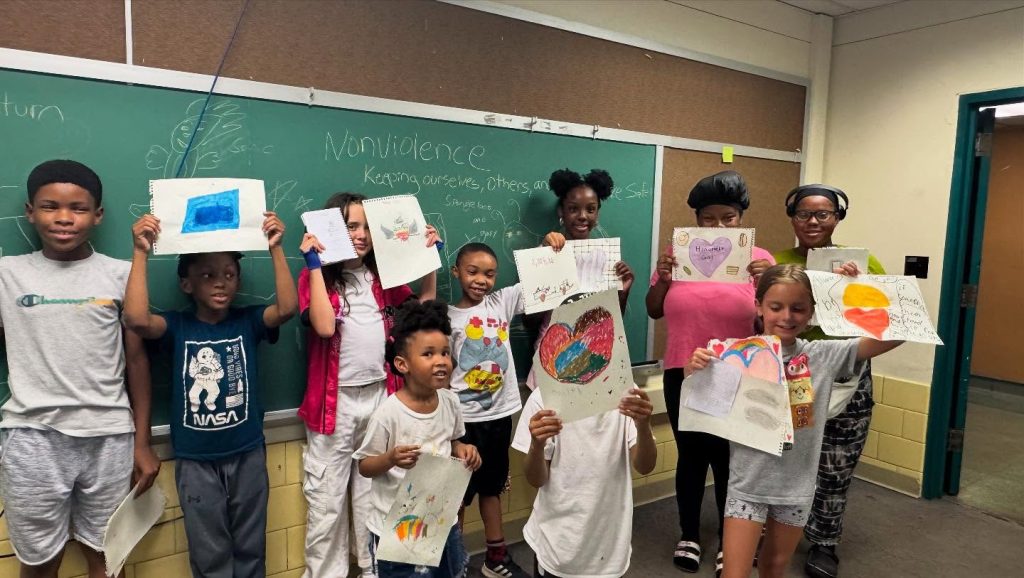
The word Amachi itself reflects this philosophy. Derived from a Nigerian Igbo term meaning “Who knows what God has brought us through this child,” the name affirms the inherent worth and potential of every young person.
“Children arrive on this earth with purpose and potential—and it’s our job to help nurture that and help them find their greatness.”
Anna Hollis Kander
That same belief guides ASCI’s youth programs where we see children and youth not through the lens of circumstance, but through their capacity for growth, leadership, and resilience.
Why Mentorship Matters for Kinship Families
Youth in care often experience profound loss, separation, and disruption which can be difficult to articulate, especially at a young age. Mentorship offers a powerful counterbalance.
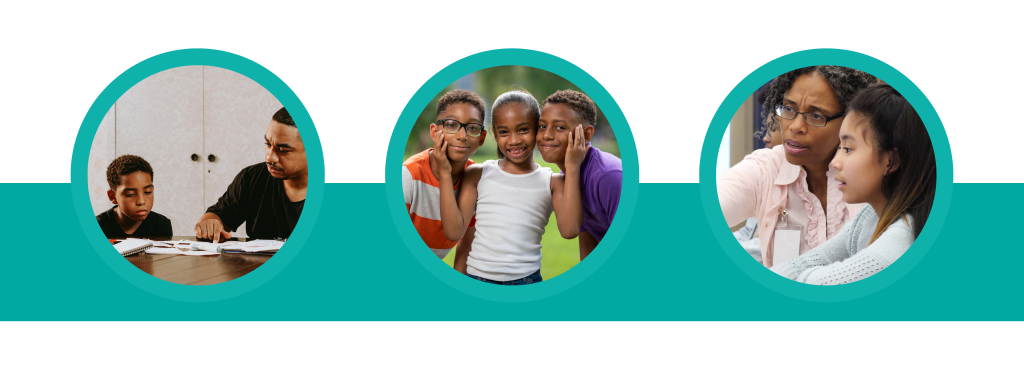
“Anytime a stranger is willing to step into your world and invest time in you, that tells a child they are important.”
Anna Hollis Kander
For kinship caregivers, many of whom step into their role unexpectedly, mentors provide reinforcement, relief, and partnership. By consistently showing up, mentors affirm the same values caregivers work hard to instill, while also offering children new experiences beyond their immediate environment.
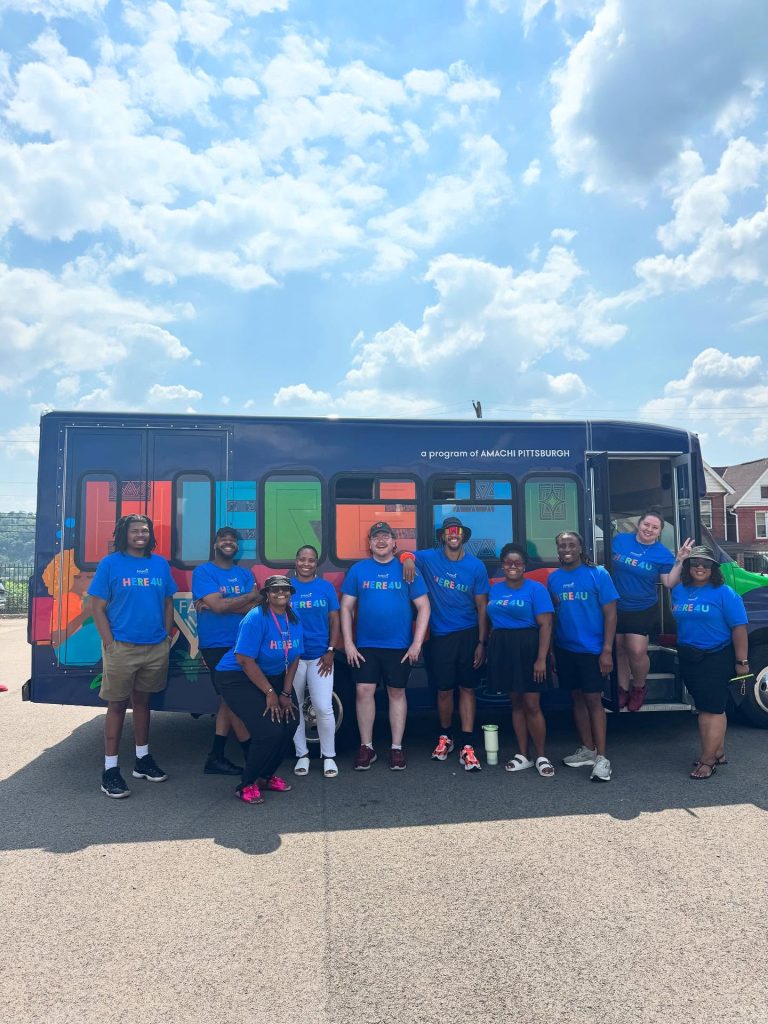
Together, these consistent, intentional mentoring relationships create a network of support that extends beyond individual caregivers, reinforcing values and providing youth with opportunities to grow in multiple areas of their lives.
This kind of layered, relationship-based support is reflected across ASCI’s mentoring efforts, from CARES’ people-centered approach and Boys II Men’s focus on growth for young men, to Kinspire’s emphasis on guidance and lasting connection, LIL SIS’ focus on reflection, leadership, and responsibility for young women, YES’ support for skill-building and personal growth, and Camp C.O.P.E.S.’ opportunities for youth to develop teamwork, leadership, and perseverance.
Building Relationships the Right Way
Amachi Pittsburgh takes a trauma-informed, strengths-based approach grounded in the Sanctuary Model, a framework that helps organizations understand the impact of trauma, prioritize emotional safety, and build healthy, supportive relationships. These principles closely align with ASCI’s commitment to trauma-responsive care through the CARES Department and across all mentoring programs, ensuring emotional safety and trust are foundational, not optional.
These types of relationships are built intentionally and patiently, with mentors committing to at least one year, as Amachi Pittsburgh recognizes that trust takes time. Rather than focusing on what a child has endured, mentors are trained to lead with curiosity, listening, and affirmation. This long-view approach directly reflects how ASCI prioritizes consistency and presence, understanding that healing and growth happen over time.
“There are no shortcuts to relationship building. It’s a long game.”
Anna Hollis Kander
Creating Hope and Expanding Horizons
The impact of mentorship is often most visible in moments of renewed joy and future-focused thinking. Caregivers report seeing children open up, regain confidence, and rediscover parts of themselves that trauma had quieted. Across ASCI’s programs, these moments affirm why relationship-based work remains central to our purpose, because hope is built through connection.

“When young people start talking about their futures—that’s when we know this is working.”
Anna Hollis Kander

Through community partnerships, mentors introduce youth to new, educational, and recreational opportunities many have never experienced. These connections also build social capital, expanding a young person’s sense of what is possible.
“We want kids to understand that their world is bigger than the four-block radius of their neighborhood.”
Anna Hollis Kander
Healing Happens in Community
Amachi brings youth, caregivers, and mentors together through shared events, support groups, and gatherings that create space for connection and understanding. These opportunities allow young people to share their stories, build relationships, and see themselves reflected in others with similar experiences. These outcomes align directly with A Second Chance, Inc.’s purpose: strengthening families and ensuring children remain connected to supportive networks rooted in care and dignity. For many youth, simply knowing they are not alone can be a powerful step toward healing and confidence.

“When kids realize others are going through the same thing, you can literally see their posture change. Healing happens in community.”
Anna Hollis Kander
That sense of shared experience helps reduce the isolation and shame many youth in care carry quietly. By creating spaces where young people and caregivers can connect openly, Amachi fosters resilience, strengthens relationships, and encourages youth to imagine futures shaped by possibility rather than past experiences. In these moments of connection, confidence grows, trust deepens, and young people begin to see themselves as part of a supportive and affirming space.
A Call to Action
As Kander emphasized, mentorship is not about saviorism, it’s about listening, learning, and connecting youth and families to opportunity.
“These kids and families are the experts. Our job is to listen and help build protective factors around them.”
Anna Hollis Kander
That philosophy makes the current need for mentors especially urgent. Today, Amachi Pittsburgh has a waiting list of boys hoping to be matched with male role models. The need is urgent, and the opportunity to make a lasting difference is real. These young people are ready to learn, grow, and build meaningful relationships, what they need now are caring adults willing to show up.
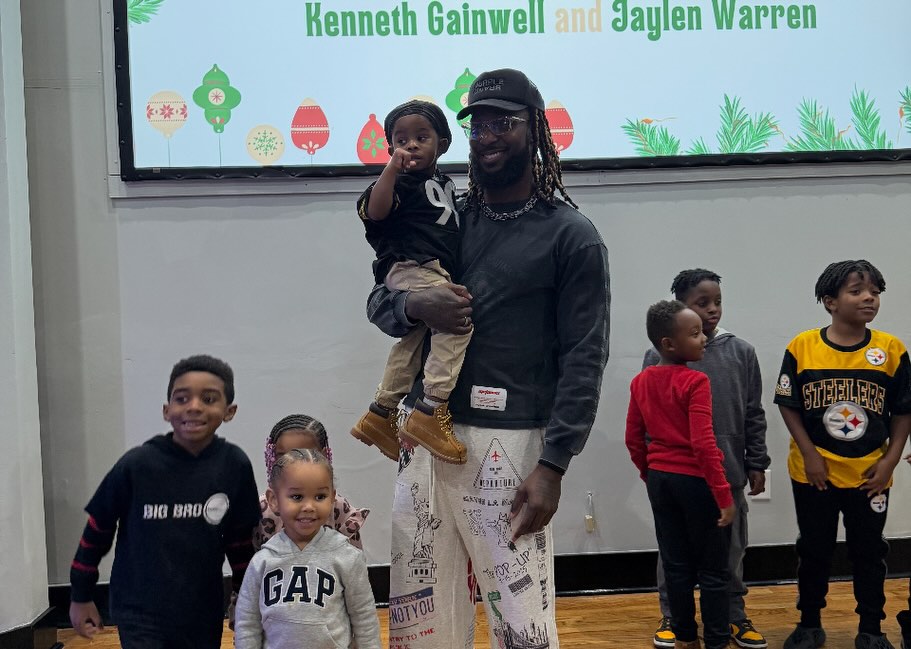
At A Second Chance, Inc., we are proud to uplift organizations like Amachi Pittsburgh who remind us that consistent care and connection can change the trajectory of a child’s life, one relationship at a time.We remain committed to showing up for children and families with intention, compassion, and purpose, honoring family connections and ensuring no family walks this journey alone.
To learn more or get involved with Amachi Pittsburgh’s mentorship efforts, visit Amachi Pittsburgh or send an email to info@amachipgh.org.
To learn more about mentoring programs at ASCI, visit: www.asecondchance-kinship.com.