Blog
Supporting Health and Well-Being During the Back-to-School Season
Back-to-school season is more than just sharpened pencils and packed lunches. It’s about ensuring that every child shows up healthy, fed, emotionally supported, and ready to thrive. At A Second Chance, Inc., we recognize that children in care require support that spans every dimension of their development—from the physical to the psychological, from the emotional to the relational.
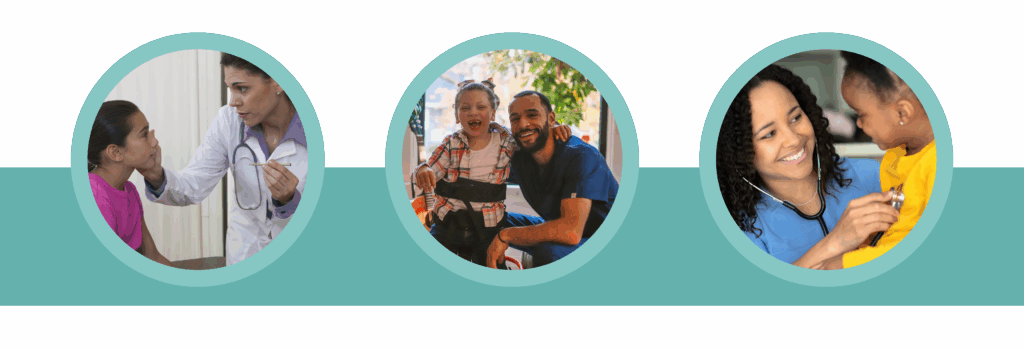
To better understand how these needs are met in schools, we spoke with two professionals on the frontlines of child wellness: Gwendolyn Lane, a Certified Registered Nurse Practitioner with Pittsburgh Public Schools, and Tim Gonzalez, founder of A Wellness Place, LLC., a Pittsburgh-based mental health outpatient practice serving youth and families.
There is no one-size-fits-all formula for connecting with or treating a child. Each child comes with their own history, patterns, and emotional landscape.
-Tim Gonzalez
That belief is also reflected in Gwendolyn’s approach to school-based nursing. Most students come to school with a baseline physical already completed in kindergarten or ninth grade. But many don’t have insurance or a primary care provider. That’s why nurse practitioners like Gwendolyn are in place; to make sure no child falls through the cracks. Whether it’s conducting physicals, coordinating immunizations, or referring families to local providers, her role is centered on ensuring students are physically healthy and ready to participate in school. Her work goes beyond the medical. Gwendolyn understands that meeting students’ most basic needs comes first.
When people think of school, they think of academics. But I always emphasize making sure kids have eaten, that they have meals lined up, that they feel supported. If I’m hungry, there’s no way you can ask me to focus—my mind is on food. That’s how it is for kids, too.
-Gwendolyn Lane
She recalls writing notes for students who came in late to make sure they still received breakfast and helping run a Friday food pantry for those without meals at home. “That pantry was a lifeline.”
Tim agrees that emotional safety is just as critical. Children in care often carry layers of trauma, grief, and loss. While people may assume adverse experiences come from big, identifiable events, he explains it can also stem from smaller disruptions. “It might not be about being away from their parent. It might be not being in their own bed, or not having their toys. That stirs something inside of them.” The first step in healing is helping children regulate their nervous systems. “When our systems are regulated, we’re able to express ourselves and connect with our emotions. But when we’re dysregulated, it’s like everything is blocked.”

That’s where grounding techniques, play therapy, art, and music come in. “Play therapy is so important,” Tim explains. “Especially for children who may have their guard up or blame themselves for being in the system. It helps them lower their defenses and communicate more freely.” Through these expressive therapies, children can begin to explore their emotions in a way that feels safe and natural. It also helps adults better understand what’s going on beneath the surface.
Gwendolyn sees similar benefits in the school setting. Health screenings like height, weight, vision, and hearing offer parents and educators a window into what may need attention—from weight concerns to glasses to specialist referrals. It’s all about early detection and connecting the dots before something becomes a barrier to learning. Dental health is also addressed, with screenings and education provided in partnership with local dental hygienists. At the start of each year, school nurses review records and notify parents about any missing items, helping them get caught up so students are cleared to learn and grow.

Mental health is just as carefully monitored. Tim’s team uses tools like the Patient Health Questionnaire-9 (PHQ-9), General Anxiety Disorder-7 (GAD-7), and the Adverse Childhood Experiences (ACES) survey to assess concerns such as depression, anxiety, and PTSD. But because children often struggle to articulate their experiences, caregiver input is essential. Tim emphasizes the importance of psychoeducation.
“Do caregivers really understand what these children have experienced? Can they take on the child’s perspective?
-Tim Gonzalez
He encourages what he calls “perspective positioning”—stepping outside our own lens and imagining life from the child’s view.
This same philosophy guides Gwendolyn’s communication with families. “It all starts with communication. We share what we’re seeing and make sure parents and caregivers understand what’s going on. We offer education and connect them with community resources, so they’re empowered to act on the information we give them. They’re doing their best. We’re just adding to the team.”

Both professionals highlight the crucial role that school environments play in shaping a child’s sense of identity. Children spend up to 40 hours a week in school, and how they’re treated and supported in that space informs how they view themselves.
When a kid puts their head down in class or doesn’t do homework, is it defiance or is it a sign of needing help? If I’m worrying about what I’m going to eat at home or when I’ll see my mom again, I’m not going to care about my multiplication tables. Then I get failing grades and I start believing I’m not smart. That belief follows me into the rest of my life.
-Tim Gonzalez
Recognizing the root of these behaviors is just the first step. Teaching kids how to cope with big emotions is where transformation begins. “The best way to promote regulation is to do it with them,” Tim says. “Let them feel the relief, and then help them realize they can do it themselves. That builds self-esteem. That says, ‘I can handle big emotions. I can do hard things.’”
Gwendolyn has seen firsthand how small interventions can make life-changing differences. She recalls a student who came to her complaining of chest pain. His mother said she would take him to the doctor later, but Gwendolyn urged immediate care. He was found to have a congenital heart defect that required surgery. “That’s why I do this,” she said. “For moments like that.” Other times, her role is about offering a safe space and listening ear.
Some of our kids are just looking for someone to talk to—someone who will listen, offer guidance, and push them with love. Watching them grow from ninth grade to twelfth, that’s everything.
-Gwendolyn Lane

As the new school year begins, Tim encourages caregivers and educators to talk with kids about what school means to them—how they identify as students and what their goals are for the future. “If we understand that,” he says, “we’re in a better position to help them reach those goals.”
At A Second Chance, Inc., we remain committed to supporting children in every dimension: emotionally, mentally, physically, and academically. We believe that creating safe, loving, and regulated environments allows children not just to survive, but to thrive. As Gwendolyn puts it, “The children are our future. If we want them to succeed, we all have to show up. Be an active participant in their journey. Make sure they’re safe, healthy, and heard. That’s how we build a better future.”
With compassion, attentiveness, and deep belief in the power of connection, professionals like Gwendolyn and Tim are making a lasting impact—one child, one family, and one school day at a time.