Blog
Gary Alred’s Journey: Balancing Caregiving and Youth Mentorship at A Second Chance, Inc.
Each month, A Second Chance, Inc. (ASCI) highlights the voices of our kinship families. As an agency dedicated to providing a safe, secure, and nurturing environment for children in the care of relatives or close family friends—known as kinship care—we understand the importance of exploring the lived experiences of caregivers, birth parents, and children. These insights help shape authentic stories and guide impactful programming. Through these conversations, we aim to foster understanding and build a supportive community for kinship families. This month, we had the honor of speaking with Gary Alred, who generously shared his experience of balancing caregiving and full-time work while also discussing the critical importance of work-life balance.
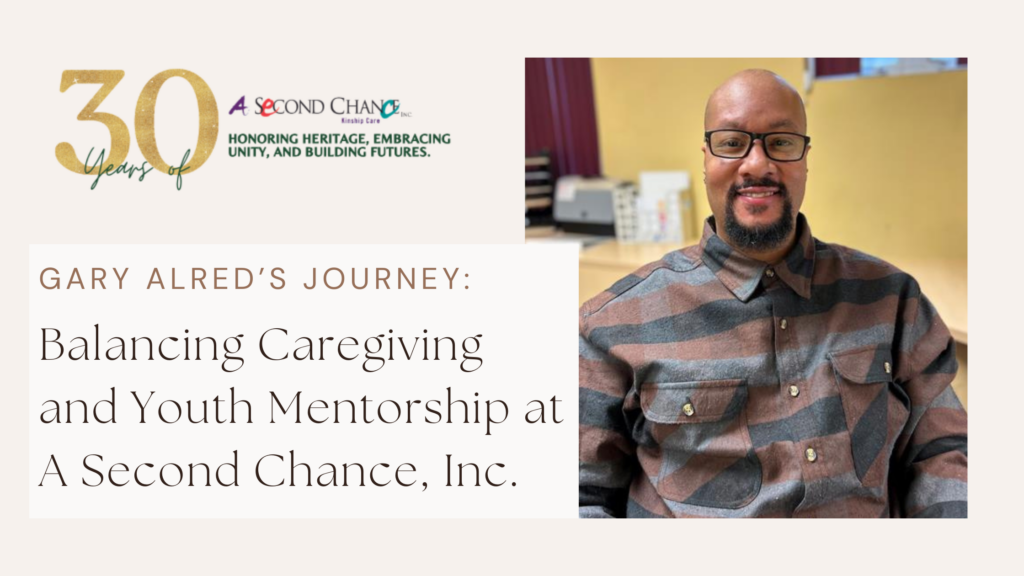
At ASCI, Gary provides crucial programming and life skills to young people in need of guidance and support. His journey from retired barber to a full-time youth engagement worker is a testament to his dedication and passion for helping teens. Below, Gary shares insights into how he navigates his professional and caregiving roles, the challenges he faces, and the strategies that have helped him maintain balance.
Gary has dedicated his life to helping young people, especially those in challenging situations. At ASCI, he provides programming, activities, and life skills for youth in their homes, particularly teenagers in the High Impact Unit (HIU). Through weekly programs, driving classes, and college tours, he helps prepare them for their futures.
Gary’s experience as both a worker and caregiver deepened when he mentored Trayvon, a young man in need of stability. “I mentored him for four years, two of which he lived with me,” Gary recalls. This experience gave him a deep appreciation for caregivers and shaped his approach to youth work.
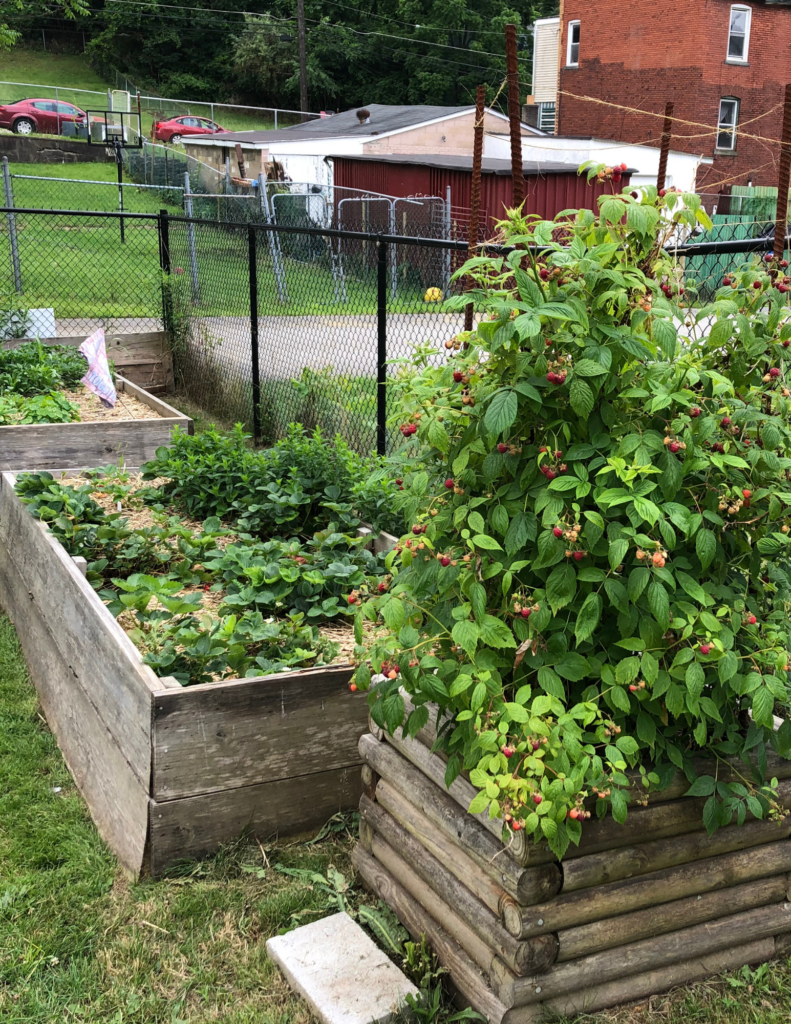
Gary’s caregiving extended beyond Trayvon to another young man, Michael, who joined the ASCI Garden program, a partnership between ASCI and Grow Pittsburgh. In this program, Michael learned to grow food, completed community service hours, and paid restitution. “We take on three youth per growth season through Grow Pittsburgh,” Gary explains. Like Trayvon, Michael needed male mentorship, and Gary welcomed him into his home.
Balancing caregiving and his professional role were challenging, but Gary managed. “I was single with space at home, so I could devote time to both,” he reflects. Despite the challenges, including navigating difficult situations and de-escalating conflicts, Gary made it work.
I feel like I learned a lot of problem-solving skills at that time. There were a lot of instances where I had to de-escalate a situation because I didn’t always want to just jump straight to the on-call worker.
-Gary Alred
Gary believes that finding balance was essential to maintaining his well-being, and he attributes much of his ability to cope to his faith.
For me, the balance was like faith. I introduced both young men to faith and they were both slowly beginning to come around. But I think the faith really helped me a lot in that regard.
-Gary Alred
He also stresses the importance of being an advocate for youth. His advocacy extended to court hearings and other situations where he could help guide the youth through difficult times. As a mentor and caregiver, Gary is deeply invested in the idea that caregivers need to take a compassionate approach to discipline. He encourages others to avoid a punitive mindset. Gary advocates for a more nurturing and empathetic approach.
You can’t always take the punitive approach when you’re dealing with young people, especially from a kinship lens. A lot of caregivers are tempted to have a blanket approach when they deal with the kinship youth. Your approach has to be tailored to that particular youth. Put the law book down and pick the love book up.
-Gary Alred
He believes that discipline should focus on guiding youth and building trust, rather than just punishing them for mistakes. Gary’s belief in this approach is rooted in his own experiences with the youth he’s cared for.
Gary also emphasizes the importance of teaching young people how to regulate their own emotions and manage challenges. “Once you get the buy-in, they’ll start to see and understand more, making them feel like they’re a part of the solution,” he says.
He believes that teaching youth problem-solving skills and how to regulate their emotions empowers them to be more independent and resilient, ultimately creating a better-balanced environment for both them and their caregivers.

To help caregivers avoid burnout, Gary points to the importance of strong communication and support from organizations like ASCI. He appreciates the way the agency fosters a supportive environment for its workers. “I felt like a team member who was cared for. HR went above and beyond to make sure I was okay.” Gary acknowledges that when caregivers feel supported and valued, it benefits both their well-being and the youth in their care.
His perspective on work-life balance is a holistic one.
When everything is working as a well-oiled machine, it trickles down to the caregiver and it makes the caregiver feel less stress and that just trickles down to the youth as well.
-Gary Alred

By fostering strong communication, providing support, and teaching youth how to manage their own challenges, caregivers can create a more balanced life for themselves and the children they care for.
Looking back on his experiences as a caregiver and mentor, Gary shares one final lesson: “Teach them how to self-regulate.” Gary’s work is not just about providing care in the moment but equipping young people with essential life skills so they can thrive in the long term.
His passion for mentoring and guiding youth continues to drive his work, and he remains committed to helping the next generation reach their full potential. “I’m excited for the next chapter here at A Second Chance,” Gary says with enthusiasm as he enters his sixth year with the organization.
Through Gary’s story, we gain a deeper understanding of the importance of work-life balance for caregivers, the impact of personalized care, and the role of support systems within organizations. Caregivers like Gary not only guide young people through challenging times but also shape their future by modeling compassion, problem-solving, and resilience.