Blog
ASCI Community Changemaker Spotlight: AfroPink
Beyond Awareness: Vina Morris and the Mission to Build Generational Health
How one breast cancer survivor is turning her experience into a mission to educate, empower and improve health outcomes across generations.
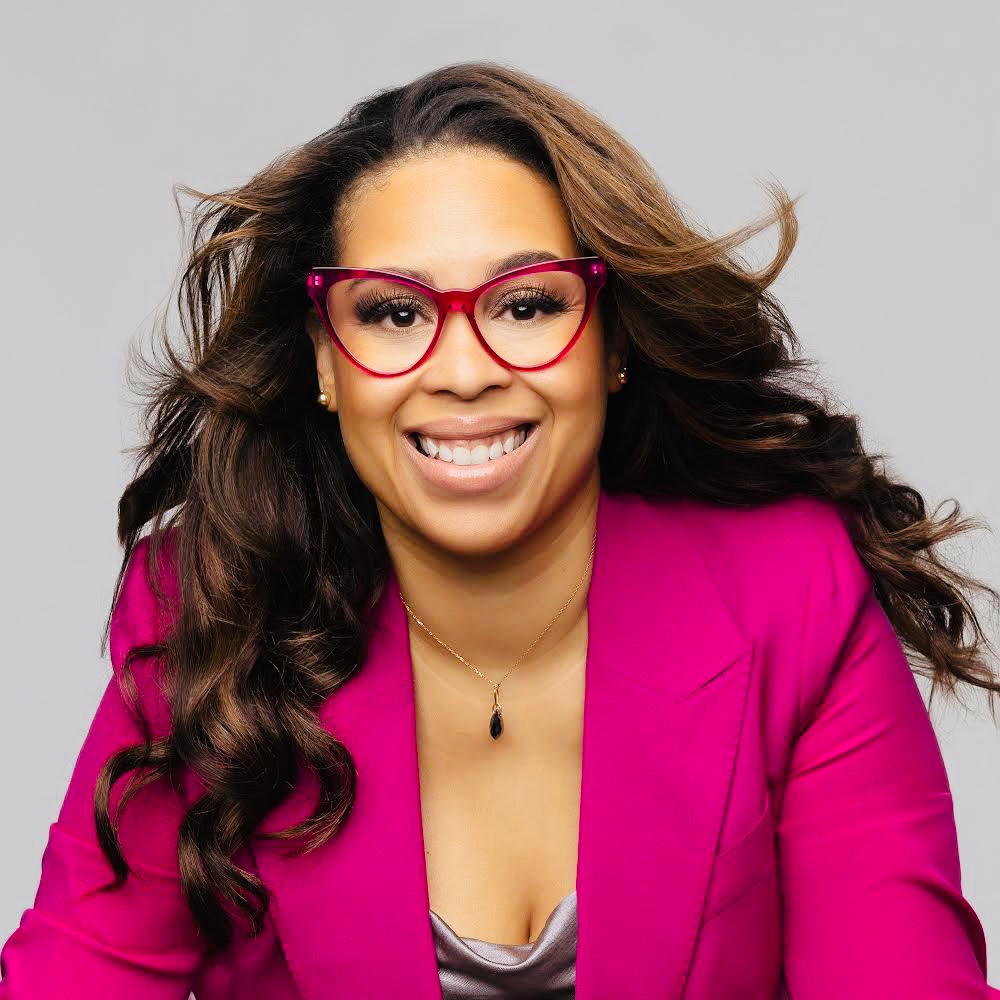
Vina Morris never imagined she would be diagnosed with breast cancer. For years, she believed she was unlikely to develop the disease because neither her mother nor her maternal grandmother had experienced it.
That belief changed in 2019, when Morris received her first breast cancer diagnosis. As she navigated treatment, she confronted the realities of the disease while recognizing gaps in the information and representation available to Black women.
“I didn’t know anybody that had breast cancer,” Morris recalled.
She also struggled to see Black women reflected in the breast cancer information and resources surrounding her.
Her experience became the foundation for AfroPink, a breast cancer awareness organization dedicated to dispelling myths, encouraging preventive care and connecting people with resources for early detection and support.
Founded in October 2019, AfroPink was created with a particular commitment to addressing breast cancer disparities affecting Black women and communities of color.
Even its name reflects that purpose. Pink, Morris explained, is both her favorite color and the color associated with breast cancer awareness. But she wanted the organization’s identity to be intentional and to speak directly to the Black community.
While AfroPink welcomes and supports individuals of all backgrounds, its mission places particular emphasis on reducing disparities in breast cancer outcomes among Black women.
For Morris, that commitment became even more personal after a second diagnosis led her to undergo a double mastectomy in March 2020, just as the COVID-19 pandemic began. Navigating treatment and recovery during such an uncertain time deepened her commitment to building a community where women could find education, encouragement and meaningful support.
What began as one woman’s experience has since grown into a mission rooted in education, connection and action.
Building Generational Health
One of the most important lessons Morris learned during her cancer journey was the significance of understanding her family’s medical history. As she discovered details she had not previously known, she recognized how easily important health information can go unshared across generations.
The experience reinforced her belief that strengthening families means more than passing down financial resources. It also means sharing knowledge that can help future generations understand their health risks and make informed decisions about their care.
“Everybody’s talking about creating generational wealth. Let’s create generational health.”
Vina Morris
That belief has shaped conversations within her own family. After learning more about her family’s health history, Morris updated her medical records and began having more intentional discussions with relatives about conditions that could affect future generations.
“Now we’re having these conversations in my family,” she explained, emphasizing how sharing information can help loved ones make more informed decisions about their health.
She encourages others to do the same, recognizing that conversations once avoided or overlooked can become opportunities to protect and empower loved ones.
“Tell your stories to your family … [and] the community, because you never know how your story can help someone.”
Vina Morris
Turning Awareness Into Action
Through AfroPink, Morris is working to make breast health information and preventive care resources more accessible, particularly within Black communities and other communities of color.
For Morris, that work is deeply personal. Despite her early misconceptions about breast cancer, she sought medical attention when she discovered a lump years before her diagnosis. That decision led to ongoing breast health monitoring, which ultimately played an important role in identifying her cancer at an early stage.
“I wanted people to have factual information so that they can do the same thing,” Morris explained, emphasizing the importance of speaking with health care providers when something feels wrong.
“Your voice is important.”
Vina Morris
She also knows that navigating the health care system can be difficult, particularly for patients who struggle to find providers who listen to their concerns or explain their care in ways they understand.
For Morris, self-advocacy is essential. She encourages individuals to ask questions, seek second opinions when appropriate and build a care team that respects their concerns.
That same philosophy shapes her perspective on how families and communities can support someone facing a cancer diagnosis.
“Ask them what they need. Don’t assume that you know what to do,” Morris advised.
She understands that even well-intentioned support can sometimes feel overwhelming. Someone undergoing treatment may not need a meal prepared or a house full of visitors. They may simply want company, a quiet afternoon watching television or someone to join them for a walk.
“They may want you to come over and sit and be quiet … and watch Netflix all day,” Morris said, offering an example of how simple acts of companionship can provide comfort.
She also encourages loved ones to be thoughtful about the stories and experiences they share with someone navigating cancer, recognizing that conversations about recurrence or death can create additional fear during an already difficult time.
For Morris, meaningful support begins with listening. It means allowing individuals to communicate what they need and respecting that every person’s experience is different.
Expanding Access and Opportunity
As AfroPink continues to grow, Morris is looking beyond traditional awareness initiatives to address challenges that can accompany a cancer diagnosis, including disruptions to employment, financial stability and everyday life.
Drawing on more than two decades of experience as a technology executive, she is developing initiatives designed to help survivors, caregivers and others strengthen their digital skills and explore new professional opportunities.

Among the initiatives she described is a digital-skills scholarship program through a partnership with Grow with Google. The effort would help individuals develop practical technology skills, whether they want to strengthen their current careers, explore a new field or pursue certifications in areas such as cybersecurity and data analytics.
“I’m so excited,” Morris said when discussing the organization’s next chapter.
Morris recognizes that cancer treatment can disrupt employment and create financial uncertainty. She hopes these opportunities will help individuals build skills and pursue greater economic independence during and after treatment.
AfroPink is also developing a mastectomy awareness and support program to help individuals access products and resources that can make recovery and life after surgery more manageable.
These initiatives reflect Morris’ broader vision for AfroPink: an organization that not only raises awareness but also responds to the practical needs of people navigating cancer and its lasting effects.
For Morris, access to information is an important starting point, but meaningful change happens when people have the resources, confidence and opportunities to act on what they learn.
What began with her personal experience has grown into a mission to help others feel informed, empowered and supported. Through AfroPink, she is working to build a future where breast health conversations extend across generations, advocacy leads to action and access to resources creates opportunities for healthier lives.
“We’re gonna inspire you, empower you and encourage you to take action as it relates to your overall health,” Morris said.
Learn more about AfroPink: afropink.org