Blog
Mentorship as an Anchor: Strengthening Kinship Care Through Connection
For Desiree Robertson, mentorship is not an abstract concept. It is a lifeline, a bridge, and a blueprint for healing. As the Founder and Chief Visionary Officer of the GOC Collective, Inc. (Girls of Color Collective) and owner of Soul to Root Wellness, Robertson brings together lived experience, professional expertise, and wisdom to reimagine what mentorship can and must be for youth navigating kinship and foster care systems. That understanding resonates deeply with the work of A Second Chance, Inc. (ASCI), where mentoring is a critical way we show up for children, youth, and families navigating kinship and foster care systems.
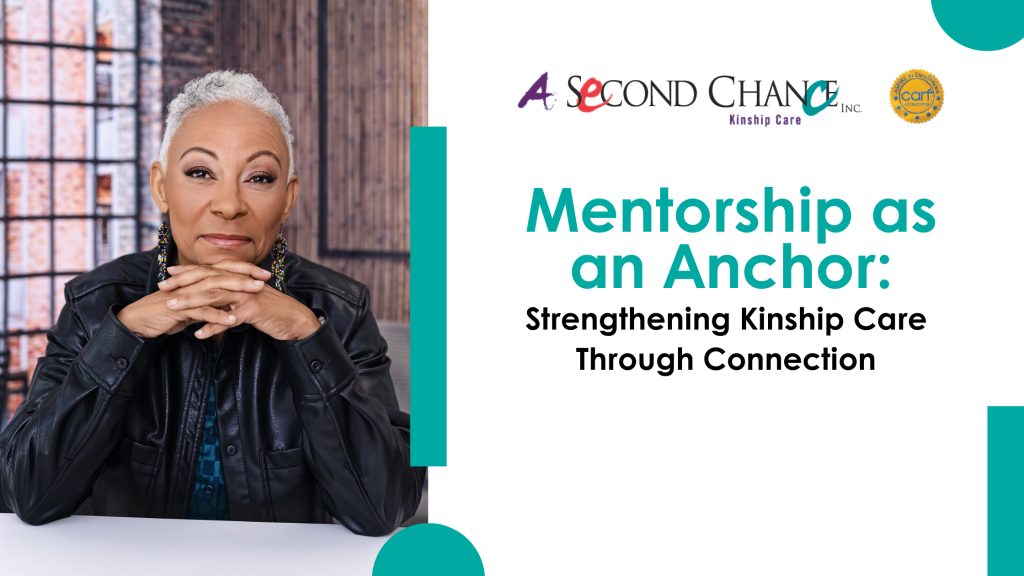
Robertson’s understanding of kinship care is deeply personal. She entered foster care at just eight months old, remained there until age four and a half, and was later adopted. Raised in Memphis, Tennessee, her early life was shaped by family separation, identity formation, unanswered questions, and experiences that now inform her work and philosophy. Her lived realities mirror the experiences of many youth and families served through ASCI, reinforcing why our mentoring programs center self, consistency, and trusted relationships rather than short-term intervention.
“Youth navigating kinship and foster care are often doing profound identity work without the tools or support they deserve. They are processing grief, loss, family complexity, and systems that weren’t designed with their healing in mind.”
Desiree Robertson
Why Mentorship Matters in Kinship Care

For youth in kinship and foster care, mentorship is not simply about guidance, it is about finding their footing, stability, and affirmation. Robertson emphasizes that consistent, judgment-free relationships help young people integrate their past, present, and future. This is especially meaningful for young people learning who they are while adjusting to shifts in family and community.
This understanding aligns closely with ASCI’s mission and is reflected across several youth programs where mentorship helps young people navigate family transitions while developing confidence and self-awareness.
“Mentorship becomes an anchor when everything else feels unstable. It creates space to understand complex family stories and to dream beyond survival.”
Desiree Robertson
From a National Movement to a Lasting Collective
Robertson’s vision took shape nationally during her tenure at MENTOR National, where she served as Director of Training and Product Design. There, she recognized a missing piece in the mentoring field: many programs focused on best practices, but fewer addressed the real-life experiences that shape how young people show up in mentoring spaces. This gap reflects what ASCI has long recognized: that effective mentoring must be rooted in lived experience, family context, and an understanding of the environments in which young people live and grow.

This realization led to the creation of the Black and Brown Girls Mentoring Movement; a groundbreaking national initiative launched in 2021. The movement spanned seven cities, engaged over 550 participants, provided technical assistance to more than 65 mentoring programs, and raised over half a million dollars to sustain the work. Through trainings, wellness and mentoring summits, and communities of practice, the initiative supported mentoring programs in building more thoughtful and responsive approaches. These principles echo the intentional designs of The YES program, Boys II Men, and LIL SIS, where mentorship is paired with reflection, personal growth, and meaningful relationships.
The GOC Collective emerged as the evolution of that work. “I didn’t want the work to stop when my role ended,” Robertson says. “The GOC exists to build capacity, convene communities, and ensure this approach continues long-term.” That commitment to sustainability mirrors ASCI’s focus on building lasting systems of support for families, not temporary solutions.
Seeing Youth Fully: A More Thoughtful Approach to Mentorship
At the heart of Robertson’s work is mentorship that honors the whole person, an approach that sees youth as complete, complex individuals with unique experiences and strengths. Building on her sociology background and personal journey through adoption and identity, Robertson highlights the importance of understanding the many aspects of a young person’s life as key to their growth and well-being.
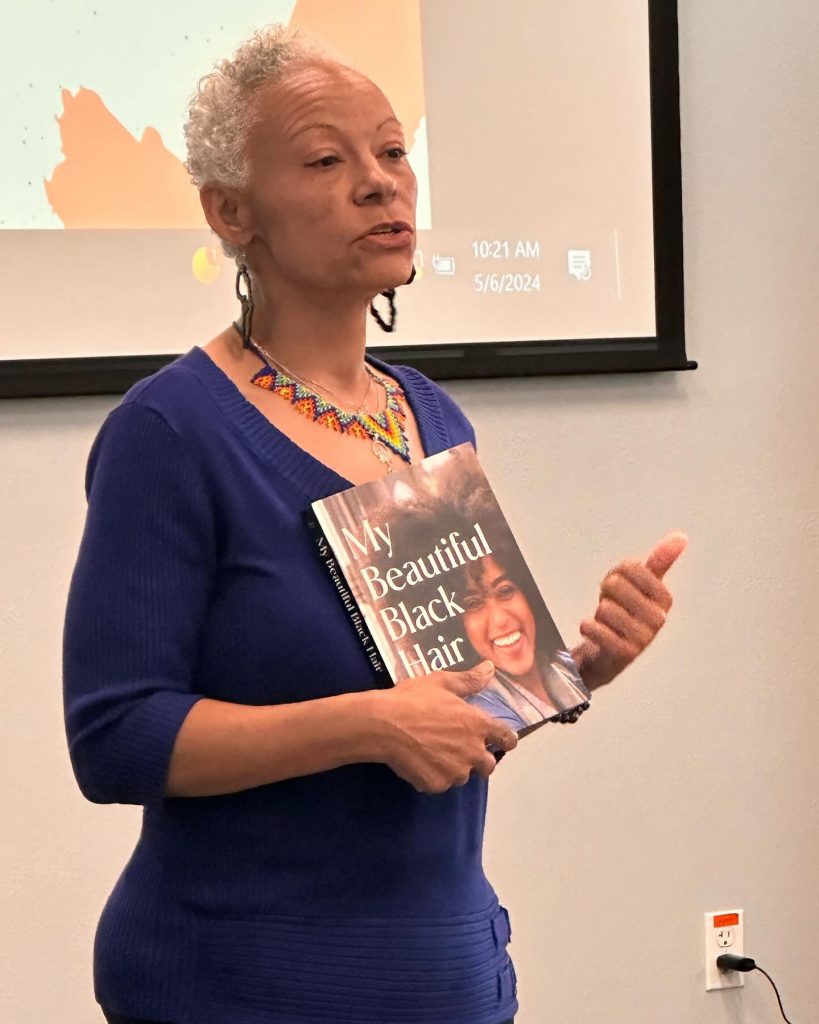
Robertson’s mentorship approach gives youth space to explore their background, family story, experiences, and personal goals. It encourages conversations about adapting to new environments, navigating different spaces, and understanding the feelings that come with family transitions. Similarly, ASCI programs like Camp C.O.P.E.S. create space for young people to develop leadership and responsibility through teamwork, discipline, respect, and goal-setting.
“For youth in care, belonging, worthiness, and loyalty are constant questions. Mentors who honor all aspects of identity help young people integrate and not suppress who they are.”
Desiree Robertson
The G-Circle Framework: Storytelling and Leadership
The GOC Collective brings its mentorship philosophy to life through the G-Circle Framework, built on six pillars:
- Girl-Centered – Highlighting the voices and experiences of girls and young women
- Culture – Celebrating each participant’s unique background and experiences
- Intergenerational – Connecting youth and elders through shared stories
- Restorative – Offering tools for reflection and building understanding
- Collective – Creating supportive communities and networks
- Leadership & Empowerment – Encouraging youth to take initiative and lead

Through storytelling circles, wellness sessions, mentoring programs, and groups, participants learn to share their experiences, understand family connections, and step into leadership. Youth are seen not as program participants, but as experts in their own lives. By centering youth, this philosophy closely aligns with ASCI’s mentoring programs, where youth voice, family context, and leadership development are integral to each program’s operation.
Lived Experience as Leadership
Robertson believes leaders with lived experience bring an authenticity that cannot be replicated through training alone. “We’re not theorizing about young people’s lives, we’ve lived them,” she says. This credibility builds trust and allows mentors to address the unspoken fears youth carry, including abandonment, consistency, and acceptance. Similarly, ASCI values lived experience as a critical component of effective mentorship, recognizing it as a source of insight, trust, and connection across our programs.
At GOC, lived experience is paired with rigorous scholarship, trauma-informed practice, and healing-centered leadership. “This is where head and heart meet,” Robertson explains. “Where trauma meets triumph.” This balance reflects how ASCI approaches mentorship as both relational and intentional by being grounded in care but informed by evidence and experience. This is evident in the creation of ASCI’s Kinspire program created by our CEO, President, and Founder, Dr. Sharon McDaniel. Her lived experience, leadership, and creativity led to the formation of a program that introduces youth to professional and educational experiences they may have never encountered.
Building Sustainable, Community-Led Systems

Sustainability is a cornerstone of Robertson’s approach. Rather than building isolated programs, GOC focuses on ecosystem-building through connecting organizations, families, caregivers, elders, and youth into lasting support networks. Kinship caregivers are treated as partners, not problems, and youth are taught not only how to be mentored, but how to speak up for their needs.
By prioritizing long-term connections and collaboration, this approach demonstrates how mentorship can strengthen both individual growth and the broader support system surrounding youth and families. This system-oriented framework reflects ASCI’s mission to walk alongside families, building networks of support that extend beyond any single program or service.
Robertson envisions global networks of care through sister cities, international exchanges, and collaboration that expand what mentorship can look like for youth in the program.
Advice for Organizations Serving Youth in Care
Robertson offers clear guidance for organizations seeking to build meaningful mentorship programs:
- Start by listening and building trust with youth and families
- Provide ongoing, in-depth training for mentors and staff
- Focus on overall well-being and support, not just services
- Track personal growth and well-being, not only programmatic numbers
- Recognize and fairly compensate those with relevant experience
- Create strong systems for long-term sustainability, not rely on individuals
- Include youth voices in leadership and decision-making from the beginning
“Mentorship and kinship must be explicitly healing-centered. This isn’t optional. it’s foundational.”
Desiree Robertson
A Bridge Worth Building
Through the GOC Collective, Desiree Robertson is not just building programs, she is building bridges. Bridges between generations, between lived experience and leadership, and between survival and liberation. Her work shows that when mentorship focuses on well-being, support, and guidance, it can transform not only individual lives, but entire systems of care.
At A Second Chance, Inc., this belief is reflected daily where mentorship is not an add-on, but a core expression of our mission, purpose, and commitment to families.