Blog
A Generation of Change: The Vision Behind ICWA 2050
At A Second Chance, Inc., our mission to strengthen families and ensure children remain safely connected to their loved ones aligns closely with the values behind the Indian Child Welfare Act (ICWA). One year ago, a coalition of Native organizations, including the National Indian Child Welfare Association (NICWA), launched ICWA 2050, a movement that represents a generational commitment to promoting justice and improving outcomes for American Indian and Alaska Native families in the child welfare system.
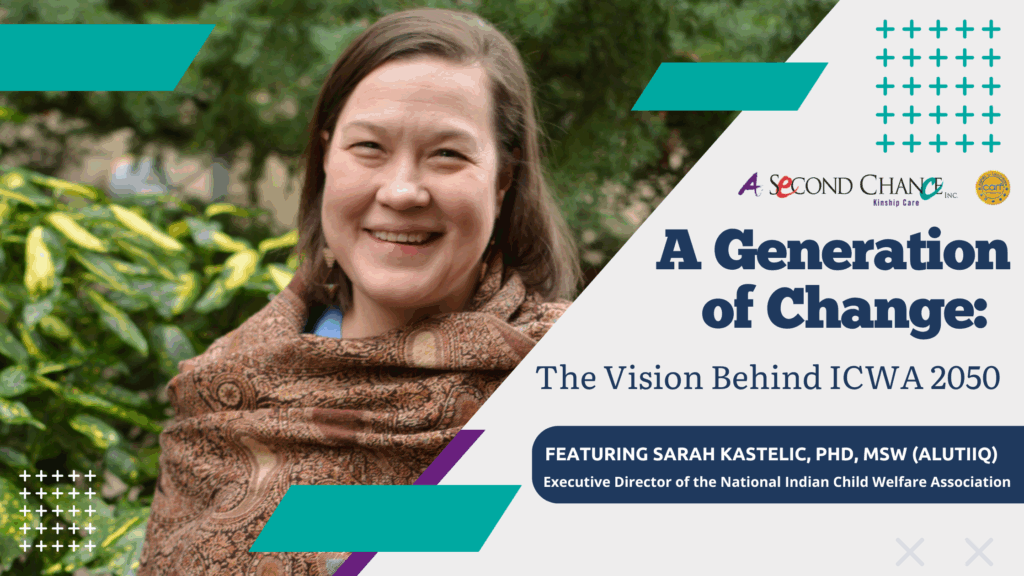
Few voices capture this vision more powerfully than Sarah Kastelic, a citizen of the Native Village of Ouzinkie and Executive Director of NICWA. With a deep respect for heritage and a clear focus on reform, Sarah is guiding a movement that not only honors tribal sovereignty but also seeks to transform the way Native children and families are supported nationwide.
This is work we’re called to do on behalf of our kids and families.
Sarah Kastelic
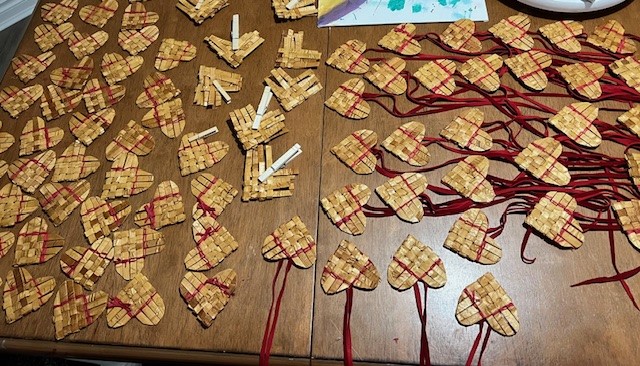
When she speaks about the ICWA 2050 plan, her words carry both history and hope. Leading NICWA, Sarah envisions a future where Native children are safe, families are supported, and tribal sovereignty is respected.
ICWA 2050 is more than a plan. It’s a generational commitment. Released at the end of 2024, this 25-year plan aims to transform both tribal and state child welfare systems by the year 2050. It’s an invitation for everyone – tribes, policymakers, supporters, and the public – to join hands in reshaping the systems that serve Native families.
ICWA 2050 is a long-term plan to change the trajectory for generations of Native kids.
Sarah Kastelic
At its heart, ICWA 2050 centers around four main goals, each designed to strengthen the protection and well-being of Native children while honoring the sovereignty of tribal nations.
The first goal focuses on increasing tribal child welfare capacity. Sarah explains that traditional Native ways of caring for children emphasize extended family, community, and collective responsibility. However, many tribal systems are underfunded compared to their state counterparts. Strengthening these systems means investing in tribal infrastructure and frameworks rooted in healing, connection, and accountability instead of punishment.
Our traditional ways of caring for kids and families remind us that safety comes from connection, not separation.
Sarah Kastelic
The second goal addresses the improvement of outcomes within state child welfare systems and ensures proper implementation of the Indian Child Welfare Act.
Despite being law for 47 years, ICWA is not consistently followed across the country. Sarah stresses the importance of holding states accountable for compliance and building bridges between state agencies and tribal nations
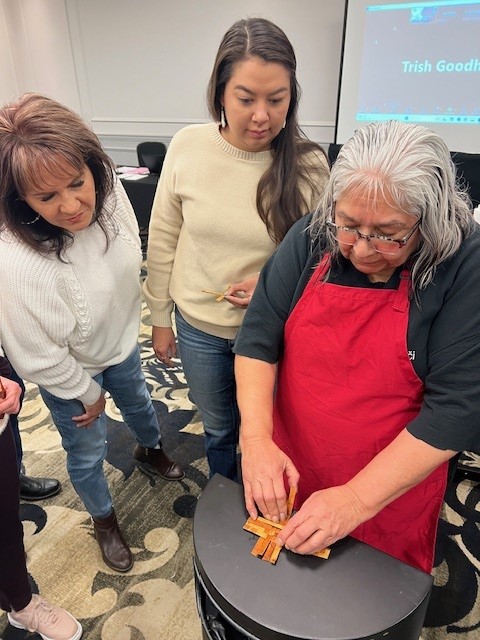
There’s still work to do to ensure that ICWA is properly implemented across every state.
Sarah Kastelic
The third goal strengthens the relationship between the federal government and tribal governments. Sarah points out that the federal government has a duty to ensure ICWA is enforced and that tribal voices are included in shaping child welfare policies. True collaboration begins with respect for tribal authority and the acknowledgment of their right to protect their children.
Finally, the fourth goal revolves around public education and communication. Many Americans remain unaware of tribal nations’ sovereignty or how the child welfare system operates. She emphasizes that education is key to shifting public understanding.
Most people know very little about tribal nations, and even less about child welfare. We must educate the public so that Native children can be seen, understood, and protected.
Sarah Kastelic
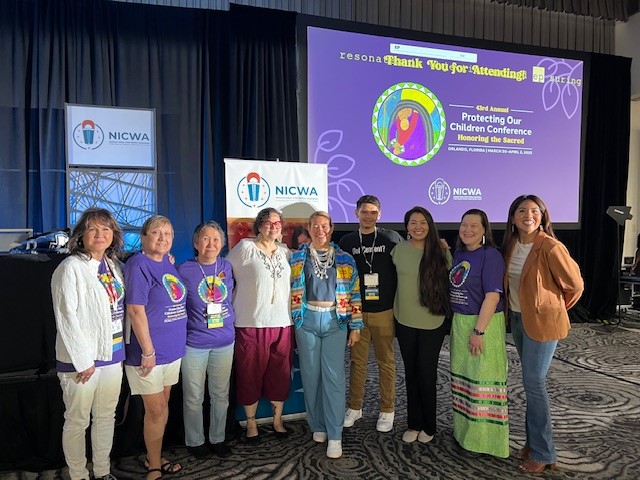
The plan’s name, ICWA 2050, reflects its timeline for a 25-year journey of reform and renewal. By 2050, the goal is for these policies and partnerships to be fully realized. But for Sarah, success is measured not just in policy changes, but in restored trust and thriving families.
Enacted in 1978, the Indian Child Welfare Act has reshaped the future for many by safeguarding family bonds and maintaining connections to Native roots. It encourages keeping children within their community and supporting parents rather than removing children from their homes whenever possible.
ICWA is about keeping families together and ensuring children grow up knowing who they are and where they come from.
Sarah Kastelic
With continued room for progress in implementation and state-level adoption, ICWA 2050 is proactively driving change and uniting partners toward lasting impact. One practical step that Sarah mentions is urging states to adopt their own ICWA law. Doing so aligns state systems with federal protections for Native children and families and strengthens awareness among local courts and agencies.
Partnerships are a cornerstone of success. Child welfare professionals, tribal leaders, and collaborators nationwide contributed to shaping the plan’s objectives. Their firsthand experiences with families informed every part of the plan.
The best solutions come from those closest to the problems.
Sarah Kastelic
Now in its second year, ICWA 2050 is growing as NICWA hosts online events, regional meetings, and has launched a digital hub where supporters can track legislation and updates. Sarah’s call to action is clear: this isn’t just a campaign for Indian Country. It’s a campaign for everyone who wants to ensure strong, safe, and thriving futures for Native children and families.
This plan is an invitation. There’s a role for everyone to lock arms, stand shoulder to shoulder, and fight for the needs of Native kids and families.
Sarah Kastelic
Through ICWA 2050, Sarah Kastelic, NICWA, and Native and non-Native partners across the country are redefining what it means to protect children, not by separating them from their roots, but by strengthening the bonds that hold families together. The work ahead is vast, but as Sarah reminds us, the vision is clear: a future where every Native child grows up connected, loved, and proud of who they are.